
Preparing for a CPR course can be somewhat daunting, particularly when discussions begin on written tests and practical exams. However, the majority of CPR courses aim at giving trainees a clear understanding of CPR procedures. Familiarizing yourself with typical CPR exam questions prior to attending class can help ease your worries and make the learning process less intimidating.
Workplace personnel, child care workers, fitness professionals, and health care professionals are some of the many individuals who take CPR classes. Knowing how CPR tests are conducted can go a long way in eliminating undue stress and help prepare for potentially lifesaving skills.
Why CPR Training Includes Testing
A CPR course is not only about watching demonstrations. Participants also need to show that they understand the correct response steps during emergencies. This is why training programs often include both practical activities and a short written evaluation.
A proper CPR test helps instructors confirm that participants can:
- Recognize emergency situations quickly
- Respond safely during cardiac emergencies
- Perform chest compressions correctly
- Use an AED properly
- Help adults, children, and infants during choking incidents
- Follow emergency scene safety procedures
The goal is not to make the course difficult. The testing process simply helps reinforce important lifesaving information.
What You Can Expect During a CPR Course
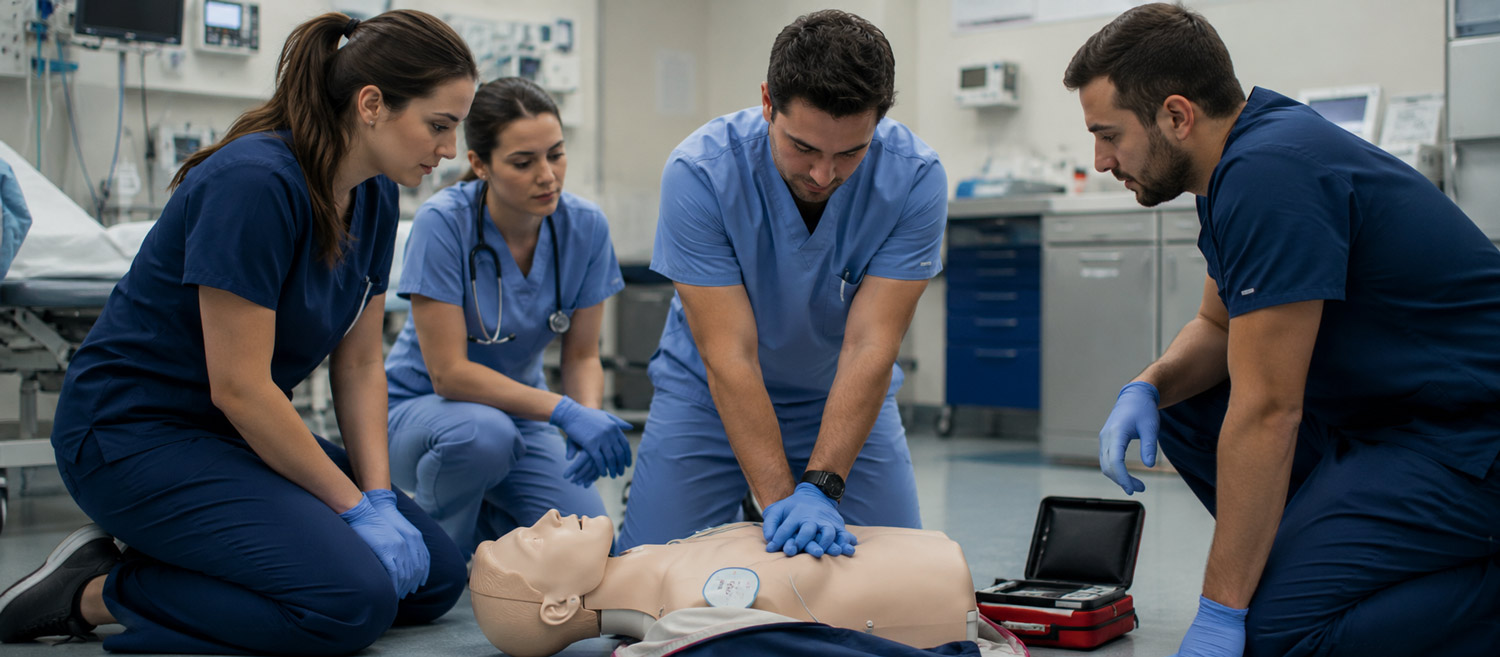
CPR courses are designed to incorporate hands-on training along with simple instructions. Usually, students perform tasks several times before being evaluated.
In a CPR class, instructors may teach subjects like:
- Scene assessment
- Emergency medical services call
- Placement of hands for compressions
- Basic rescue breathing techniques
- Placement of AED pads
- Choking procedures
- Team response during emergencies
Many find that CPR classes are more interactive than expected. They tend to be practical, conversational, and geared towards real-life scenarios.
Common Topics Found in CPR Assessments
Preparing ahead of time can make the learning process smoother. Many written evaluations focus on simple emergency response steps and CPR fundamentals.
Typical areas covered in a CPR exam may include:
- Compression depth and rate
- Steps for checking responsiveness
- Emergency contact procedures
- AED safety precautions
- Breathing assessment steps
- Choking response methods
- Differences between adult and infant CPR
The practical portion of the course is equally important. Participants are usually asked to demonstrate CPR skills using training mannequins and AED trainers.
Easy Ways to Prepare Before Class
You do not need a medical background to succeed in CPR training. A little preparation can go a long way before attending your session.
Helpful preparation tips include:
- Wear comfortable clothing for hands-on practice
- Arrive early to settle in before class begins
- Review any pre-course materials provided
- Stay hydrated during longer sessions
- Ask questions whenever something feels unclear
Most learners find that listening carefully and participating during demonstrations is enough to feel confident throughout the course.
Why Hands-On Practice Matters So Much
Reading about CPR is helpful, but practical experience is what truly builds confidence during emergencies. That is why professional training programs place a strong focus on hands-on learning.
Working through realistic emergency scenarios helps participants:
- Improve response speed
- Build muscle memory for compressions
- Feel more comfortable using an AED
- Strengthen teamwork during emergencies
- Reduce panic during stressful situations
This type of guided practice often becomes the most valuable part of the training experience.
How CPR Certification Supports Workplace Safety
Currently, many businesses have included CPR certification within their workplace safety plans. Immediate action in case of a health emergency may mean a lot before the arrival of paramedics.
A comprehensive CPR test procedure can help organizations ensure that employees know how to react during an emergency situation. Such a move can be quite helpful to offices, construction sites, schools, gyms, restaurants, and community centers.
It will also aid in creating a safety culture at workplaces since employees will be better prepared when an unforeseen circumstance arises.
What Makes Professional CPR Training More Effective
Not all CPR courses provide the same learning experience. High-quality programs focus on practical instruction, clear communication, and realistic emergency scenarios.
Strong CPR training programs often include:
- Experienced instructors
- Interactive classroom sessions
- Updated training equipment
- Real-world emergency discussions
- Flexible group training options
- Hands-on AED practice
Reviewing CPR test questions during training sessions also helps reinforce important skills in a relaxed and supportive environment.
Build Real Emergency Response Confidence With Proper CPR Training
CPR examination preparation will be simpler when you have the right training that is practical, supportive, and comprehensible. Acquiring CPR skills is not only about completing the course; it is about getting the necessary skills to use in emergency situations at your workplace, public areas, or even at home.
If your company requires group safety training or you want to renew your CPR certification, professional training will make you better equipped for dealing with emergencies. Heart Starters Inc. provides CPR and first aid training that will make you a more confident lifesaver.