
People who search for BLS vs. first aid actually want to decide between these two options, which they need to use for work purposes, safety regulations, and emergency preparedness. The three training programs exist as distinct training options because each program has its own specific function, which requires particular training methods for selection. The selection process requires assessment of different training programs because each program delivers distinct benefits for emergency situations.
The following explanation will show you the correct solution that fulfills your requirements.
Understanding First Aid – Your First Line of Response
The First Aid coverage needs to be defined first before comparing BLS vs first aid. The program provides the best training solution that combines general safety skills with workplace readiness abilities. First Aid training teaches students how to respond to various common medical emergencies that happen before emergency medical services arrive.
The content of First Aid training includes:
- The treatment for cuts, burns, and all types of wounds
- The treatment procedures for fractures, sprains, and bleeding control
- The procedures for handling choking emergencies
- The procedures for dealing with heatstroke, hypothermia, and other environmental emergencies
- Basic CPR and AED knowledge
The training requirements need to be fulfilled by workers who operate in workplaces, construction sites, schools, and public areas that demand fast emergency response capabilities.
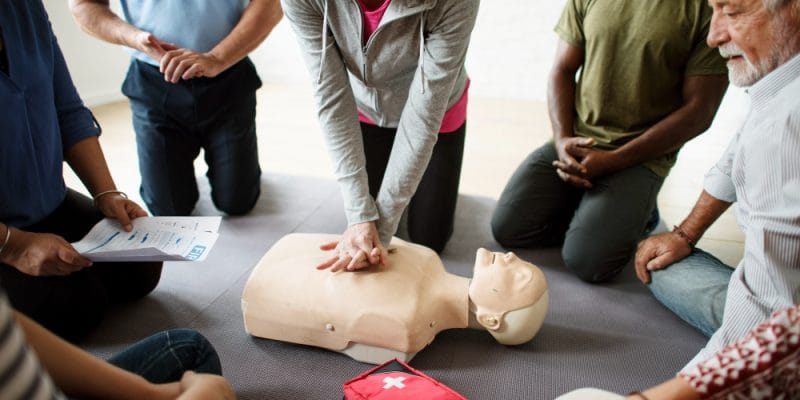
CPR Training – Focused on Life-Saving Moments
If you’ve ever wondered about the difference between BLS and CPR, CPR is the simpler place to start. CPR training is focused entirely on one critical situation when someone’s heart stops, or they stop breathing.
It teaches you how to keep oxygen flowing to the brain until medical help arrives.
What CPR training covers:
- Chest compressions and rescue breathing
- Using an Automated External Defibrillator (AED)
- Recognizing cardiac arrest quickly
- Responding to choking emergencies
CPR courses are shorter and more focused compared to full First Aid training. They’re often required for roles in childcare, fitness, and general workplace safety.
BLS Training – Advanced Skills for High-Responsibility Roles
Now let’s talk about first aid vs BLS, which is where things become more advanced. Basic Life Support (BLS) is designed for people working in healthcare or emergency response environments.
This training goes deeper than CPR and prepares you for team-based emergency situations.
What BLS training includes:
- High-quality CPR techniques for adults, children, and infants
- Use of advanced airway management tools
- Coordinated team response during emergencies
- Faster decision-making in high-pressure scenarios
- AED use with a more clinical approach
BLS is not just about knowing what to do; it’s about doing it efficiently in critical, time-sensitive situations.
BLS vs CPR – Why the Difference Matters
Understanding the difference between BLS and CPR is essential if you’re choosing training for your job or organization.
Here’s a simple way to look at it:
- CPR is ideal for general safety and quick response
- BLS is designed for professional environments where advanced care is required
- BLS includes CPR, but with more depth, precision, and teamwork
If your role involves healthcare settings or emergency response, BLS is usually the better fit.
How to Choose the Right Training for Your Needs
You need to make your decision about first aid and BLS alternatives yet. Here’s a quick way to decide:
- First Aid provides emergency preparedness training which covers a wide range of emergency situations.
- CPR certification trains you in emergency life-saving techniques that you can apply during critical situations.
- Choose BLS when your job demands you to execute advanced medical procedures at a professional standard.
The majority of workplaces need employees to complete First Aid training, together with CPR certification, to fulfill safety requirements.
Make the Right Choice for Safety and Confidence
The decision between BLS vs. First Aid becomes clear after you learn about the specific content of both training programs. The correct training program provides you with the ability to respond effectively to emergency situations, which you need for both your job and your personal life.
Heart Starters Inc. provides authentic training programs which actual professionals to teach you how to handle real-life emergencies.