
Choosing an appropriate venue for emergency preparedness training is one of the major decisions a workplace has when investing in such training. Some places want to send employees to a training center, and others want to have the training at their own workplace. On-site first aid training has been a recent trend as it correctly delivers the training to the team and provides the opportunity for employees to receive training in the workplace where they operate.
The Traditional Classroom Experience
Classroom training has been a reliable choice for many years. Trainees travel to a specific training venue and learn with people from other organizations. It is a formal setting and will often involve demonstrations, discussions, and practice.
A classroom environment can offer:
- A dedicated learning space with minimal workplace interruptions.
- Opportunities to meet people from other industries.
- Access to equipment and resources prepared by the training provider.
- A focused schedule that keeps everyone on track.
For some organizations, this format works well, especially when only a small group requires certification.
Why More Workplaces Are Choosing Training at Their Location
Many companies today are looking for solutions that fit their schedules and operational needs. An On-site first aid training company can deliver programs directly at a workplace, reducing travel time and making participation easier for employees.
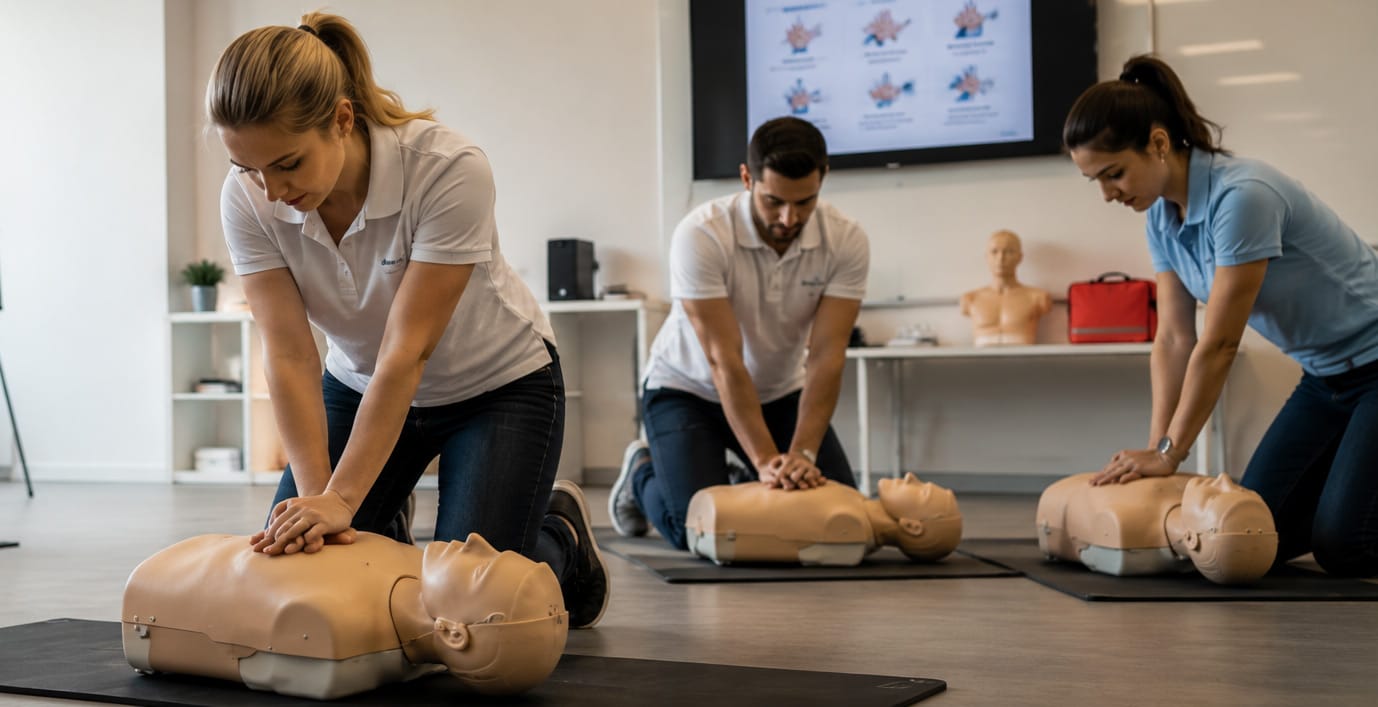
Training at the workplace also creates a more familiar learning environment. Participants can discuss potential emergencies that may happen in their own setting and better understand how to respond if an incident occurs.
The Advantages of Learning in Your Own Workplace
There are several reasons why employers choose workplace-based training programs.
Some of the key benefits include:
- Greater convenience for teams.
- Less disruption to daily operations.
- Training scenarios that reflect real workplace conditions.
- Easier coordination of large groups.
- Better engagement because participants can relate lessons to their surroundings.
Another benefit of on-site first aid training is that organizations can often arrange dates and times that suit their operational requirements.
Comparing Costs and Value
Budget is always an important factor when planning training. Many businesses evaluate the on-site first aid training cost before deciding which option to choose.
Although pricing can vary depending on the size of the group and the training requirements, workplace-based instruction may provide better value for larger teams because everyone can train together at one location. Companies can also avoid transportation expenses and reduce the amount of time employees spend away from work.
Which Option Supports Team Learning Better?
Emergency response within the workplace is typically not done by just one individual. It normally requires the cooperation of people and the ability to communicate. This is why many businesses find value in using an On-site first aid training company for training their whole department or all of their workers at once.
When colleagues learn collectively, they get acquainted with the procedures to follow during emergencies. They learn how to work together under pressure. It will boost their confidence and prepare them for emergencies.
Looking Beyond the Price Tag
While comparing options, it is important to think beyond the immediate expense. The true value of training comes from preparedness, confidence, and the ability to respond quickly during an emergency.
Before making a decision, organizations should consider:
- The size of their workforce.
- Scheduling flexibility.
- Travel requirements.
- Operational disruptions.
- Long-term benefits of team training.
Evaluating the on-site first aid training cost alongside these factors often helps businesses determine which option delivers the greatest overall value.
Choosing the Right Training Environment
There is no one-size-fits-all answer, because each workplace has its own specific needs. Classroom training provides a structured environment for learning, whereas workplace training typically provides the convenience, flexibility, and relevance in a contextual learning setting that will be valuable to the team. However, for many organizations that want a customized emergency preparedness solution, Heart Starters Inc. can work together to bring training solutions that meet compliance and workplace safety objectives.